

College and Trade School Earnings Compared: The Stronger Financial Case in 2026
Black bachelor’s degree holders owe more in student loan debt four years after graduation than they originally borrowed, according to Brookings Institution research. The unemployment rate for recent college graduates hit a three-year high in late 2025, while skilled trades wages and job openings continued to climb.

More Than 30 Percent of Black Business Owners Stop Seeking Funding Before Applying
The Federal Reserve’s 2026 Small Business Credit Survey found that Black-owned firms cited discouragement as the reason for not seeking funding at four times the rate of white-owned firms.
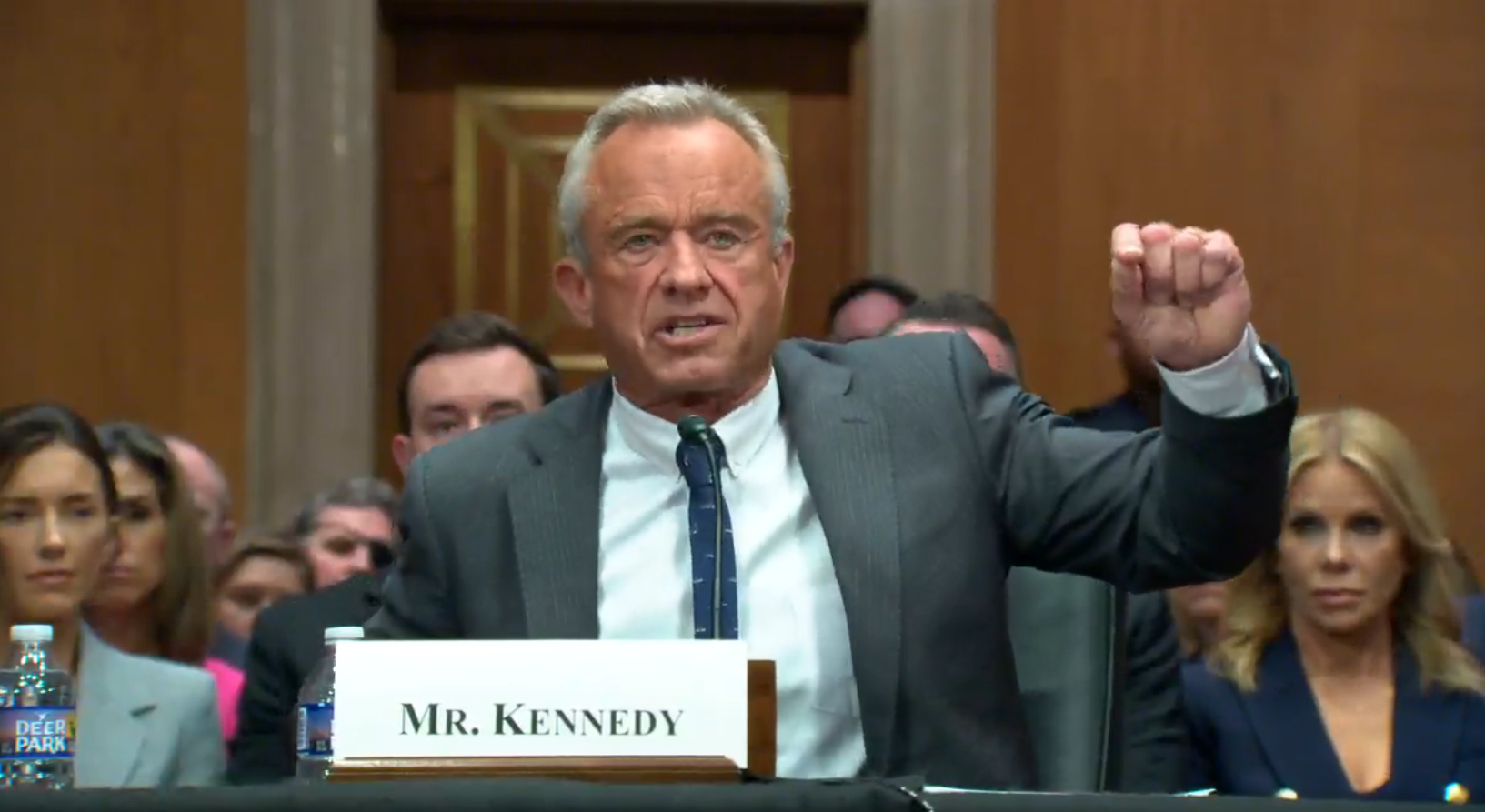
Financial Pressure Is Becoming a Health Crisis For Black and Hispanic Adults
The ‘One Big Beautiful Bill’ signed in July 2025 cuts $900 billion from Medicaid over ten years. The Congressional Budget Office estimates 11.8 million people will lose coverage. Nearly a third of Black adults and nearly a third of Hispanic adults depend on Medicaid for their health coverage now. Researchers have spent years tracing exactly what happens to the body when the money runs out.
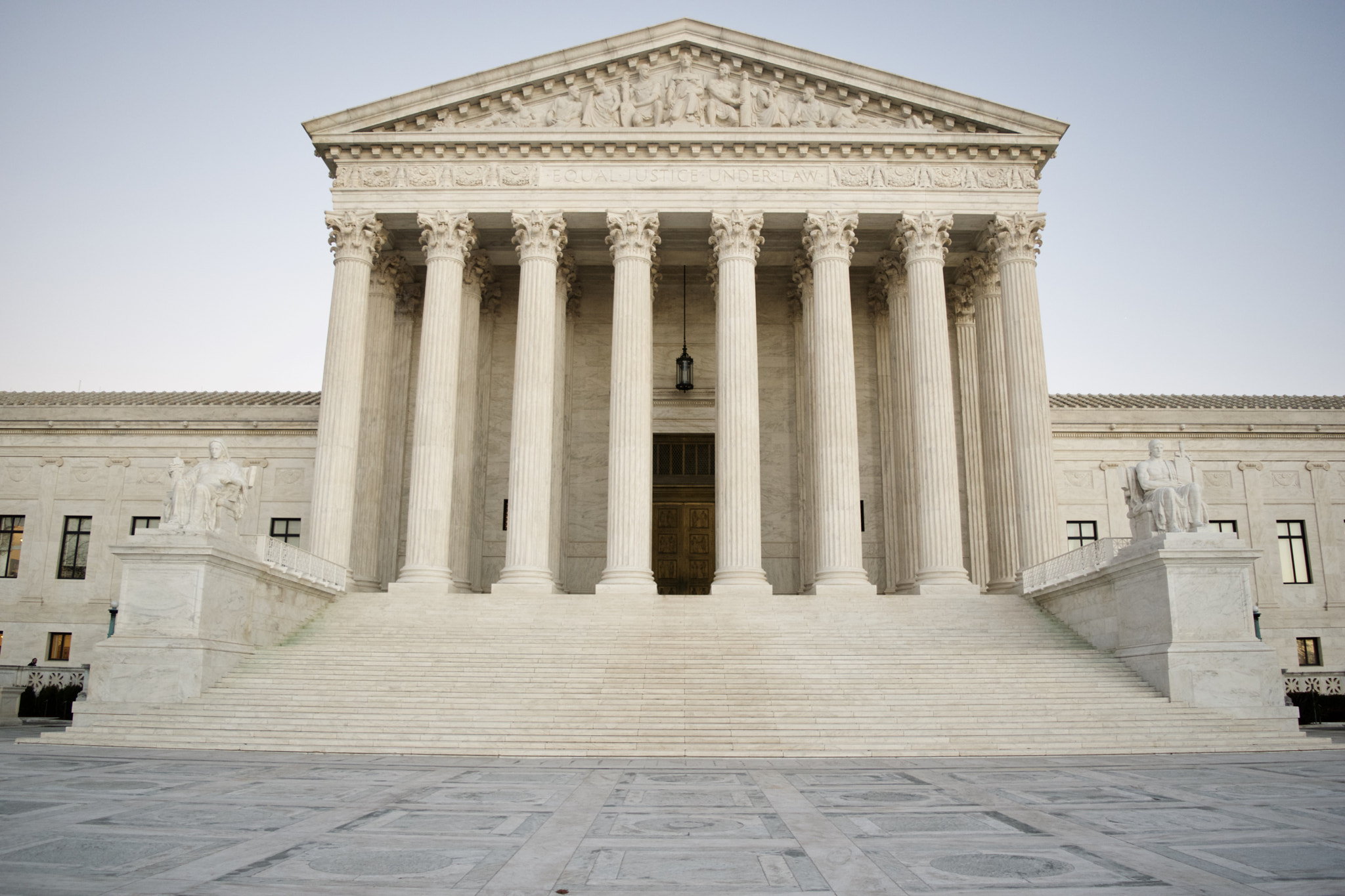
The Supreme Court Just Gutted the Voting Law That Proved Political Power Pays
The Supreme Court voted 6-3 in Louisiana v. Callais to make it harder to challenge biased voting maps. States across the South can now redraw boundaries that shrink Black voters’ power in Congress, in school boards, and in the local bodies that control public jobs and road money.

Children With Savings Accounts in Their Own Names Are Twice as Likely to Save as Adults
Research tracking thousands of young people over time found that children who held a savings account in their own name were twice as likely to save and four times as likely to own stocks as adults, even when the balance was small. Black and Hispanic households remain unbanked at more than five times the rate of white households, according to the 2023 FDIC National Survey of Unbanked and Underbanked Households.
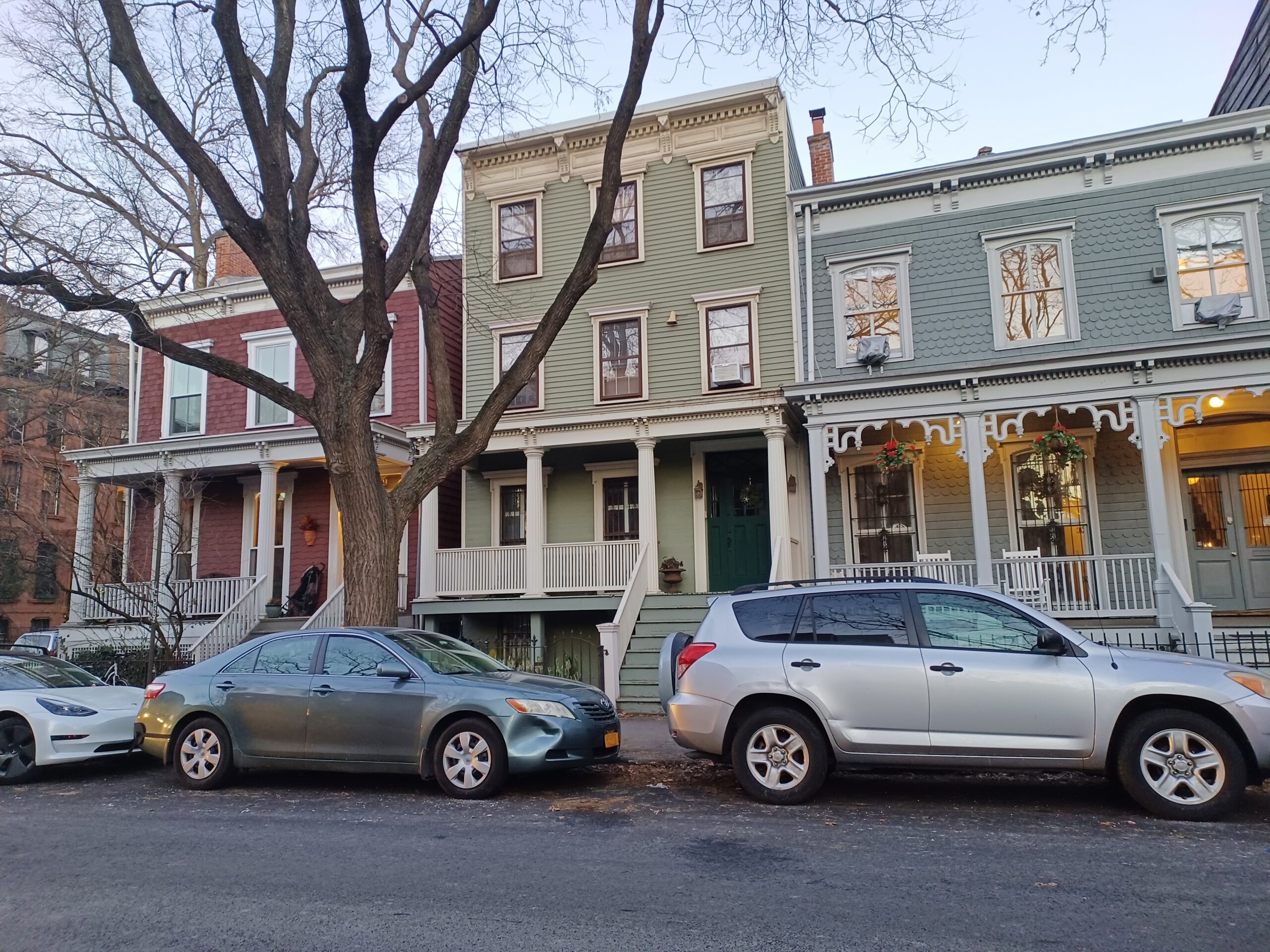
Deed Theft Robbed 1,500 Brooklyn Families of Their Homes. Black Homeowners Are Fighting Back.
Complaints of deed theft in New York City rose nearly 300 percent between 2023 and 2025. On April 24, 2026, the city launched the country’s first municipal Office of Deed Theft Prevention. The threat it was created to address extends well beyond New York.