
Philadelphia Made Landlords Try Mediation Before Eviction. Filings Fell by a Third and Stayed Down.

Philadelphia’s diversion program shows how a lawyer, reached early enough in an evictions process, can keep one missed rent payment from becoming a court record that follows a renter for years.
Crypto Had Washington on Its Side. So Why Did Investors Still Lose Millions?

Bitcoin fell about 53 percent from its 2025 peak even after a bitcoin reserve, friendlier rules, and a federal stablecoin law. The same forces that affect every risk asset, fund flows, interest rates, and leverage, kept moving crypto, and the people who sell access to it collect fees whether holders gain or lose.
Evanston Offered Black Families $25,000 for Housing Discrimination. The Federal Government Is Trying to Shut It Down.

The Justice Department asked a court on June 16 to end the country’s first local reparations program for housing discrimination. It has paid more than $5 million to 212 Black residents for housing harm. The typical White family now holds about six times the wealth of the typical Black family, a gap built by a legacy of redlining practices the program set out to repair.
The Supreme Court Just Gutted the Voting Law That Proved Political Power Pays
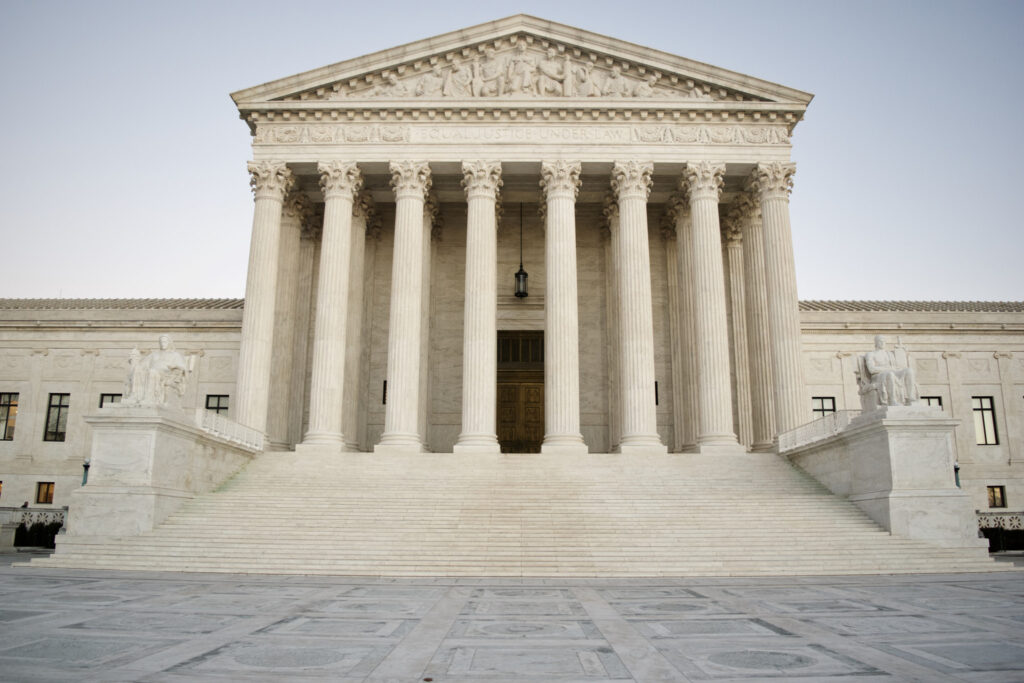
The Supreme Court voted 6-3 in Louisiana v. Callais to make it harder to challenge biased voting maps. States across the South can now redraw boundaries that shrink Black voters’ power in Congress, in school boards, and in the local bodies that control public jobs and road money.
Deed Theft Robbed 1,500 Brooklyn Families of Their Homes. Black Homeowners Are Fighting Back.
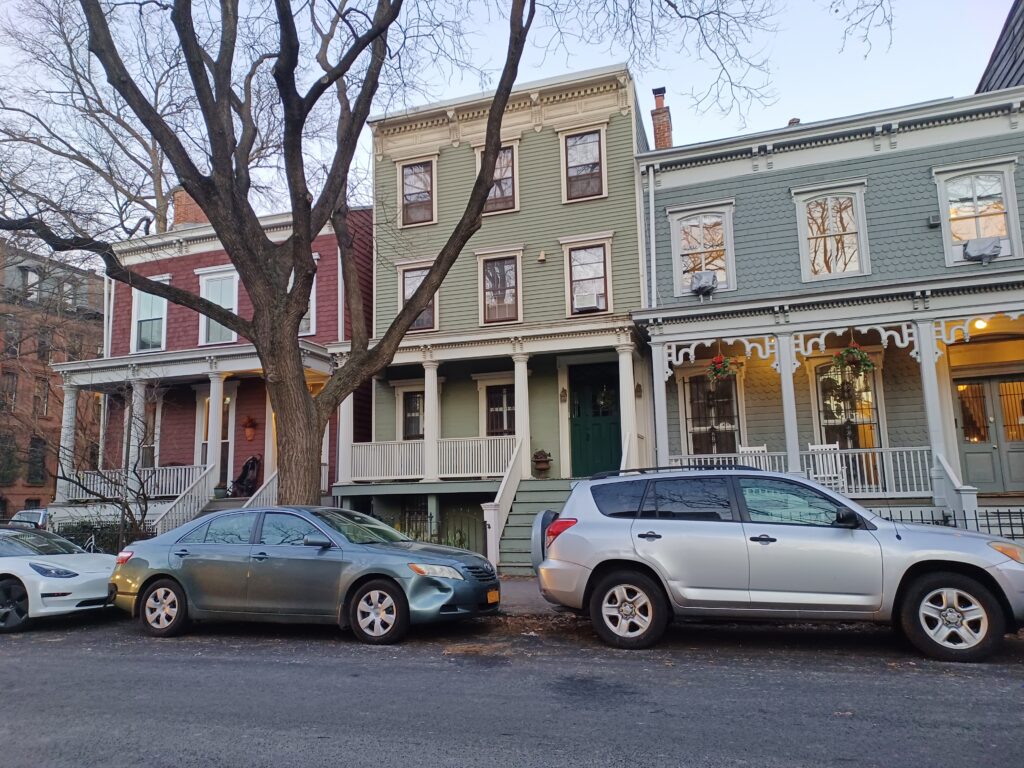
Complaints of deed theft in New York City rose nearly 300 percent between 2023 and 2025. On April 24, 2026, the city launched the country’s first municipal Office of Deed Theft Prevention. The threat it was created to address extends well beyond New York.
Missouri Is Offering Its 2 HBCUs a New Funding Lifeline. The Same Legislature Is Also Moving to Cut Their Budgets by Millions.
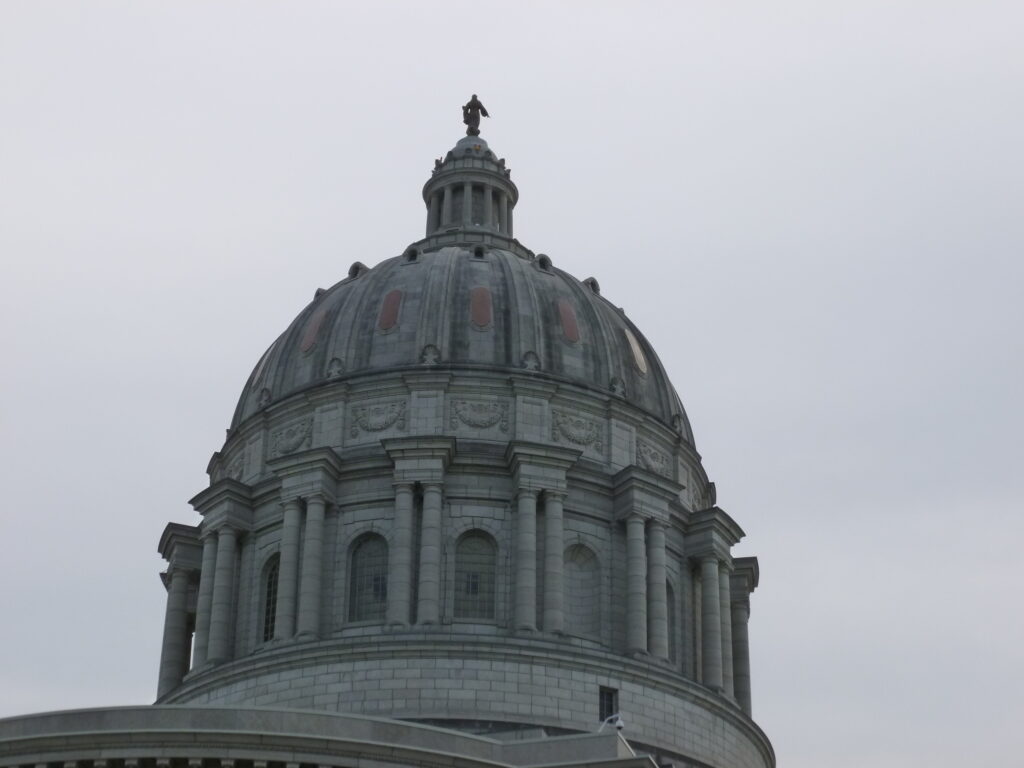
House Bill 3416 would redirect roughly $6.6 million annually from casino proceeds and lottery funds to Lincoln University and Harris-Stowe State University, two institutions that face simultaneous threats of deeper state funding cuts under a separate spending proposal moving through the same legislature.