
According to U.S. Census Bureau’s 2023 health insurance data, nearly a third of Black and Hispanic adults in this country rely on Medicaid for health coverage. These figures matter right now because the law signed on July 4, 2025 cuts federal Medicaid funding by $900 billion over the next decade. The Congressional Budget Office estimates 11.8 million people will lose coverage as a result.
What New Federal Law Does
Starting January 2027, most adults enrolled through the ACA Medicaid expansion must meet new work requirements of 80 hours per month. They also have to document those hours to keep their coverage. The paperwork burden falls hardest on people who hold multiple jobs or work in the gig economy. According to the Center for Law and Social Policy, a nonprofit focused on economic opportunity, that describes Black and Hispanic enrollees at higher rates than white ones.
States must now also check eligibility every six months instead of every twelve. That doubles the chances a missed notice or a lost document removes someone who still qualifies. Something similar happened during the Medicaid unwinding that started in 2023, when states resumed eligibility reviews after the pandemic pause. The Economic Policy Institute found Black and Hispanic adults were twice as likely as white adults to lose coverage during that period for paperwork reasons, not because they were actually ineligible.
The federal matching rate that helped states afford Medicaid expansion expired on January 1, 2026. Colorado has already announced dental coverage cuts. North Carolina is projecting service eliminations and staff reductions. According to the Commonwealth Fund, a nonpartisan health research organization, more state-level cuts are expected through the rest of the year.
Where the Research Budget Is Going
Coverage cuts are moving through Congress. The office that tracks their health impact is being closed at the same time.
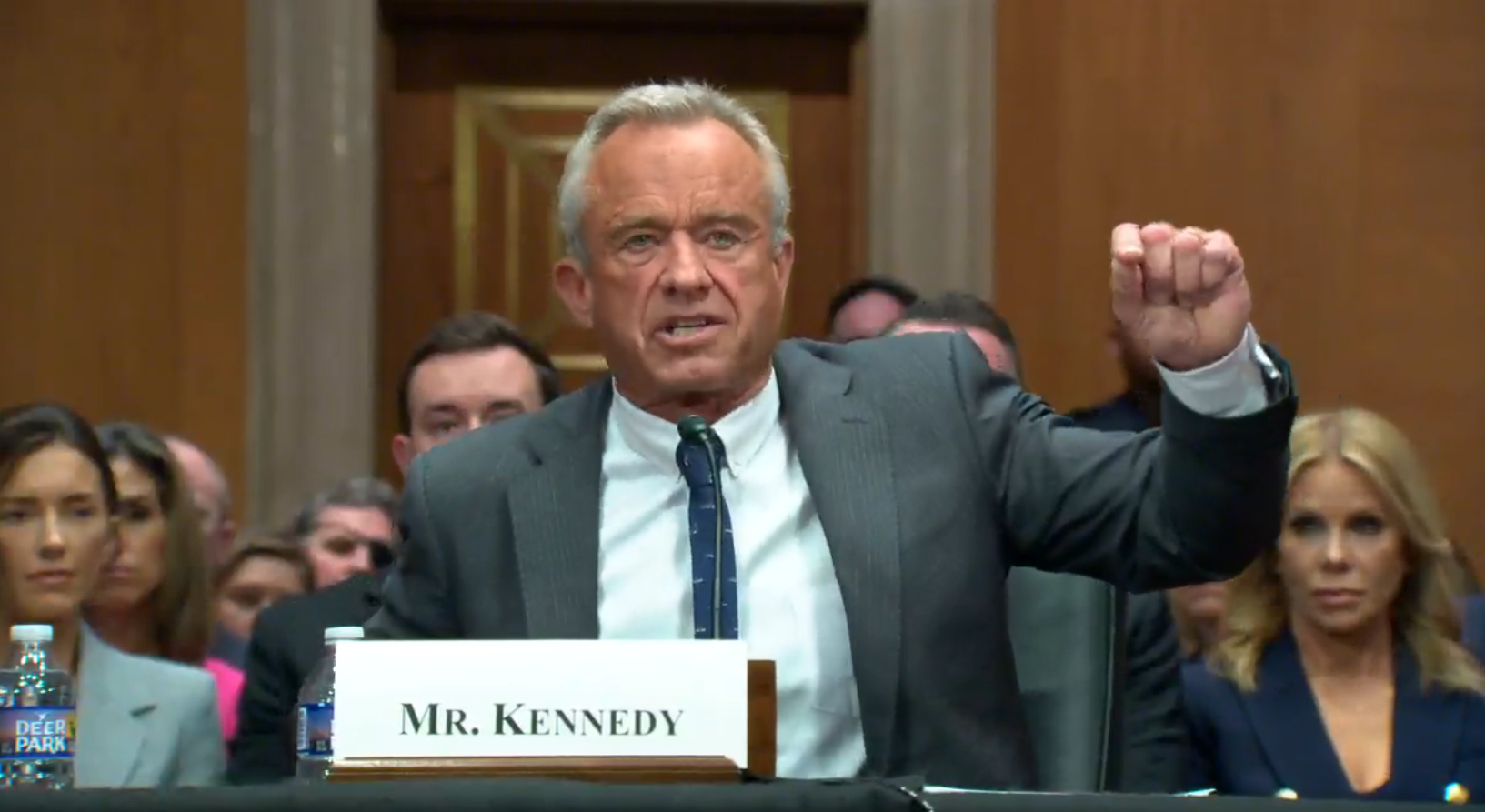
Health and Human Services Secretary Robert F. Kennedy Jr. testified before a House committee on April 17, during Black Maternal Health Week. Lawmakers pressed him on the administration’s plan to eliminate the National Institute on Minority Health and Health Disparities. That is the federal agency that funds research on why Black and Hispanic Americans get sicker and die younger. The FY2027 budget proposal would shut it down entirely. At the same hearing, members raised the administration’s order to remove nearly 200 words from federal funding applications, including the word “Black.” Kennedy did not offer an explanation for how health disparities get addressed without the language to name them.
What Financial Stress Does to Your Health
Losing health coverage is a financial event that over time, becomes a physical one.
Researchers at Harvard Medical School tracked heart health outcomes among Black adults and found that those living with moderate to high financial stress faced nearly three times the risk of a heart attack or cardiac event. That held after accounting for income, education, smoking, physical activity, and existing conditions like high blood pressure and diabetes. The financial stress variable produced the result on its own.
7 years of follow-up data in a separate Journal of the American Heart Association study found that Black adults who consistently reported high stress had a 22 percent greater chance of developing high blood pressure. Nearly half the full study group developed hypertension over that period. The researchers tied financial pressure and low income directly to the gap.
The Centers for Disease Control and Prevention analyzed Behavioral Risk Factor data from 2022 and 2023. High levels of financial hardship were more common among adults aged 18 to 49, and among Hispanic and Black workers in particular. Across nearly every job category, more financial hardship tracked to worse self-reported health.
What People Are Already Doing
Even before the current cuts took effect, people were pulling back on care.
A West Health-Gallup survey from mid-2025 found that 47 percent of American adults were worried they would not be able to afford health care in 2026. That was the highest level since tracking began in 2021. The share of adults saying health care costs cause major daily stress had nearly doubled since 2022. About one in three said they had skipped or delayed care in the past year because of cost.
Among Hispanic adults, 59 percent said they worried about being able to pay medical bills in a health emergency, according to the Kaiser Family Foundation. That was the highest share of any racial or ethnic group in the survey.
Prescription behavior is shifting too. Among adults who filled a prescription in 2025, one in five rationed medication because of cost, according to GoodRx Research, a health data firm. Healthcare ranked as the top household financial worry in January 2026, ahead of food, utilities, rent, and transportation, according to the KFF Health Tracking Poll.
Coverage Gaps and Where to Find Help
If you lose coverage,
Community health centers serve anyone regardless of insurance status, on a sliding-scale fee. The Health Resources and Services Administration maintains a searchable directory of funded health centers.
Adults who lose Medicaid coverage have 60 days from their termination date to enroll in a marketplace plan. That loss of coverage counts as a qualifying life event.
The Consumer Financial Protection Bureau finalized a rule in 2025 removing most medical debt from credit reports, which can protect financial standing while a coverage gap gets resolved.