
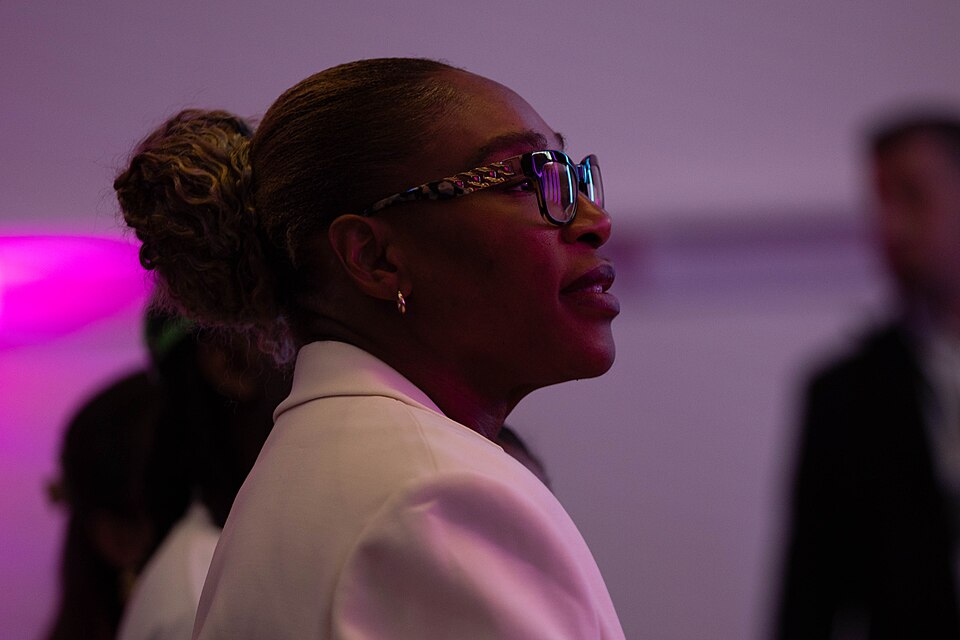
Serena Williams is preparing to make bigger investments in startups, with a particular interest in businesses using technology to solve problems in healthcare, finance, and everyday life.
On November 16, the 23-time Grand Slam champion and venture capitalist Beth Ferreira announced the launch of Starfire Ventures, a New York-based investment firm seeking to raise $200 million. The firm plans to invest in early-stage companies developing artificial intelligence products, expanding access to healthcare and financial services, and creating new ways for consumers to shop and experience entertainment.
According to Forbes’ reporting on the launch, Williams and Ferreira expect to back approximately 20 to 25 companies, investing between $1 million and $10 million in each. Their average investment will be around $5 million, substantially larger than the checks Williams wrote through her previous firm, Serena Ventures.
The $200 million represents Starfire’s fundraising target. The partners haven’t disclosed how much capital they’ve secured.
Williams will serve as managing partner alongside Ferreira, whose investment career includes roles at FirstMark Capital and WME Ventures. Their partnership dates to 2015, when they invested in the online education platform MasterClass.
In the decade since, they’ve backed companies selling everything from prepared meals to healthcare services. Their new firm will concentrate on businesses that use technology to reach customers in large markets where the partners believe existing services have fallen short.
An AI company offers an early look at their strategy
Williams and Ferreira were already using the workplace software developed by Town when they became interested in investing in the company.
The San Francisco startup builds artificial intelligence assistants that help employees manage emails, calendars, documents, and projects. Its software also allows assistants working for different employees to communicate with one another, coordinating tasks that would otherwise require several people to exchange messages.
Town’s co-founders, Jean-Denis Greze and Tony Vincent, are betting that companies will pay for software capable of handling more administrative work without requiring employees to manage every step.
On October 19, Town announced a $108 million funding round led by Forerunner Ventures and Menlo Ventures. The investment valued the company at $1 billion.
Town reported that its number of paying customers had quadrupled since July, while the number of paying teams had increased ninefold. The company launched publicly in June.
The funding announcement named Serena Ventures among its investors. Forbes subsequently described Town as Starfire’s first investment, although the public announcements don’t establish which investment entity holds the stake.
Town is part of a larger group of AI businesses that Williams and Ferreira have been examining.
Ferreira told Forbes that the partners had met with more than 30 companies developing AI assistants. Their interest centers on businesses applying artificial intelligence to specific problems, including software that can perform tasks for consumers and employees.
Town, for example, uses AI models developed by other technology companies. Its business depends on turning those models into software that organizations will pay to use.
The approach fits Starfire’s announced interest in business software, consumer technology, and industry-specific AI products.
Williams’ healthcare investments have already produced a billion-dollar company
Williams has also spent years investing in businesses focused on women’s healthcare, an industry she has discussed through her own experiences as an athlete and mother.
One of her earlier investments was Midi Health, a company providing virtual medical care for women experiencing menopause and other midlife health concerns.
Midi connects patients with healthcare professionals who specialize in hormonal changes, menopause symptoms, and related conditions. The company works with health insurers to cover appointments and treatment, giving it a different business model from wellness companies that rely primarily on direct consumer spending.
In February 2026, Midi raised $100 million in a funding round that valued the company at more than $1 billion, according to Forbes.
The valuation placed Midi among a relatively small group of privately held startups valued at $1 billion or more. Williams’ original investment amount and the current value of her ownership stake haven’t been publicly disclosed.
Midi is one of several healthcare businesses backed through Serena Ventures. The firm’s earlier portfolio also included companies working on medical services and consumer health products.
Starfire’s November 16 announcement identifies access to health and wellness as a central investment priority.
The firm is looking for companies that can make services more affordable and accessible, particularly in large industries where technology could change how customers receive care.
Williams’ investment in Midi gives the partners experience with a healthcare business that has attracted substantial outside capital while expanding into a specialized area of women’s medicine.
Financial services are another area where Williams has invested
Williams’ previous investments also include companies serving customers who have difficulty accessing traditional financial products.
Esusu, a financial technology company backed by Serena Ventures, works with property owners to report renters’ payment histories to credit bureaus.
Rent payments generally haven’t been incorporated into credit reports as consistently as mortgage payments. Esusu’s service allows eligible renters to have their payment histories reported, potentially helping them establish or improve their credit records.
The company sells its services through relationships with property managers and other institutions, giving it access to renters who might otherwise need to seek out credit-building products independently.
Williams has also invested in Numida, a financial technology company providing working-capital loans to small businesses in Africa.
Numida uses digital technology to evaluate businesses and provide financing to entrepreneurs who may struggle to qualify for conventional bank loans. Its customers include small businesses seeking money to purchase inventory, manage operations, and expand.
The two companies operate in different markets, but their business models depend on serving customers whose financial needs aren’t fully addressed by established institutions.
Starfire’s new investment strategy includes companies expanding access to financial management and related services.
The firm hasn’t announced a new financial technology investment, although its stated priorities leave room for businesses serving consumers, entrepreneurs, and financial institutions.
Retail, entertainment, and education are also on the list
Starfire’s investment plans extend beyond healthcare and financial services.
The partners are looking at technology that changes how people shop, learn, and participate in entertainment. Their announcement specifically identifies new retail models, stadium technology, and interactive products.
One example from Williams’ earlier portfolio is Parfait, a company using artificial intelligence to help customers select and customize wigs.
Parfait combines digital tools with personalized product recommendations to address problems customers encounter when purchasing wigs online, including fit, appearance, and customization.
Williams’ investments have also included consumer brands such as Daily Harvest, the food delivery company, and Ollie, which sells fresh dog food through a subscription model.
Both companies were among the investments Williams and Ferreira made during their earlier partnership. According to Starfire’s launch announcement, Daily Harvest was acquired by Chobani in 2025, while Ollie was acquired by Agrolimen in 2026.
Those businesses illustrate the range of markets the partners have pursued, from specialized consumer products to subscription services.
Education has also been part of their investment history.
Williams and Ferreira first invested together in MasterClass during the company’s seed funding round in 2015. The platform later became known for selling online courses taught by celebrities, business leaders, and other prominent figures.
Starfire’s stated interest in expanding access to knowledge leaves open the possibility of further investments in educational technology.
The firm’s plans for stadium technology and interactive entertainment are less developed publicly. No specific investments in those categories were identified in its launch announcement.
Starfire marks a new chapter in Williams’ investment career
Williams began investing in startups years before establishing Serena Ventures as a formal investment firm.
In 2022, Serena Ventures announced a $111 million fund, giving Williams a larger pool of capital to invest after years of backing companies with her own money.
The firm eventually built a portfolio of more than 100 businesses, including companies founded by women and entrepreneurs from historically underrepresented backgrounds.
Williams also became increasingly involved in the venture capital industry as an investor rather than simply a celebrity spokesperson or brand partner.
Her relationship with Ferreira grew during that period. Ferreira initially advised Serena Ventures before becoming a general partner in 2024.
According to TechCrunch’s November 16 reporting, Serena Ventures has stopped making new investments. Its existing team continues supporting companies already in the portfolio.
Starfire will focus primarily on companies raising seed and Series A funding, when businesses are developing their products, acquiring customers, and preparing to expand.
The larger investments planned for Starfire could give Williams and Ferreira greater ownership stakes in the businesses they select. The partners also intend to use their professional networks to help founders establish commercial relationships and attract additional investment.
Ferreira said in the firm’s launch announcement that the team evaluates both the business opportunity and the people responsible for building it.
“Having invested through multiple market cycles, we’ve learned to look beyond a compelling idea to the conviction of the team behind it,” Ferreira said.
Williams described Starfire as an investment platform intended to continue operating beyond the careers of its founders.
“We’re continuing to back founders solving critical problems at their breakthrough moments,” she said in the announcement.
The firm is entering the market with experience from more than a decade of investing together, including businesses that have been acquired and others that have reached billion-dollar valuations.
Williams and Ferreira are now seeking outside capital to expand that activity, with larger investments in companies developing AI software, healthcare services, financial products, and consumer technology.
Town provides an early example of the technology they’re interested in funding. Their next investments will establish how the $200 million strategy takes shape across the other industries they’ve identified.
Sources: Forbes; Starfire Ventures; Business Wire; TechCrunch; Town; Serena Ventures.